
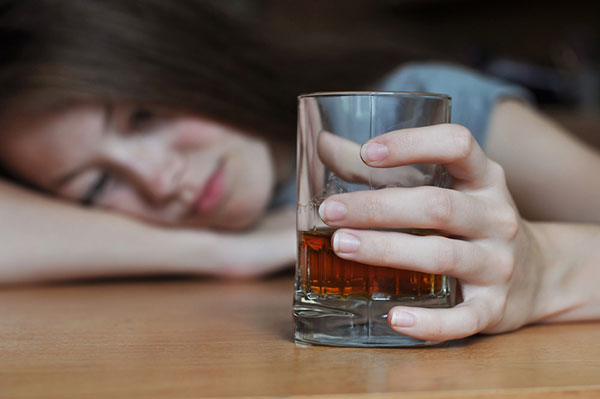
Over the past couple of years, there has been a significant increase in the number of people who struggle with chemical dependency. From the pandemic to other stressors, individuals are turning to alcohol and drugs as ways to cope.
As these problems continue to rise, it is crucial to learn what chemical dependency is, what it looks like, and ways to get help.
What is Chemical Dependency?
Chemical dependency is a term used for various forms of consistent substance abuse, which causes issues in someone’s personal life. People who struggle with this often make poor decisions such as driving while under the influence, skipping work or school, and putting themselves in dangerous scenarios.
Some of the most common substances related to chemical dependency include:
- Alcohol (the most common)
- Prescription medications like anxiety pills or pain meds
- Marijuana
- Stimulants
- Opioids
- Cocaine
- Methamphetamine
- Inhalants
- Hallucinogens
Chemical dependency, or substance abuse, is considered a brain disorder by medical professionals. Continued use of these substances may lead individuals to problems in their personal relationships, issues keeping up at school or work, or even get them into trouble with the law.
How to recognize if you have a chemical dependency
The recent global pandemic has made chemical dependency worse with many more people struggling with it than before. If you believe that someone you know or care about is struggling with substance abuse, there are a few signs that could be telling of their issues.
Signs of chemical dependency include:
- Rapid weight loss
- Red eyes
- Frequent fatigue or exhaustion
- Not worried about hygiene
- Depression or anxiety
- Abnormal heart rate or blood pressure
- Trouble sleeping
People who abuse drugs or alcohol will eventually require larger amounts for it to take effect. They’ll also have withdrawal symptoms if they limit or stop the use of the substance for a day or two. Some individuals will end up spending large amounts of time and money to get their fix of alcohol or drugs.
Questions to ask for a chemical dependency evaluation
Whether the concerns you have about chemical dependency are about you or someone you care about, there are some questions you can ask to determine whether substance abuse is an issue.
These inquiries should be asked in a safe space and not take on the form of an interrogation. But it is important to discuss these concerns so that you or your loved one can get the help that is needed. If you find a trend that they are struggling with chemical dependency, it is time to consider getting them professional help.
Are you drinking large amounts of alcohol consistently over a long period of time?
While many people feel that social drinking is acceptable, there is a line where it becomes a chemical dependency. Someone who has a problem with alcoholism will have difficulties controlling their drinking habits and will continue to use it even when it causes problems. It also becomes an issue if they ever try to stop drinking and have withdrawal symptoms such as headache, nausea, vomiting, anxiety, sweating, shaky hands, or insomnia.
Do you find yourself continually trying to cut back on drug or alcohol use?
Some individuals may recognize their chemical dependency issues and might try to limit use on their own. They often discover that they’re unable to cut back by themselves and revert back to their habits.
Do you often have to recover from alcohol or drug abuse?
People struggling with substance abuse are constantly having to find ways to get back on their feet after a day or night of using. This recovery process tends to become more difficult as time progresses.
Are you frequently craving drugs or alcohol?
Those who have chemical dependency typically have a strong desire to drink or do drugs at various times of the day.
Is your alcohol or drug use affecting your work, school, or home life?
Whether it’s missed deadlines at work, poor grades, or issues with personal relationships, drugs and alcohol abuse eventually cause problems with numerous aspects of life and responsibility.
Are you still struggling with drugs or alcohol even though it’s affecting your relationships?
Chemical dependency can make the need for substances stronger than someone’s desire to maintain quality relationships with their spouse, kids, friends, or other loved ones.
How to get help with chemical dependency
The team at Dallas Behavioral Health has years of experience providing support and care for people with mental health conditions. Many individuals who have issues with depression, anxiety, and PTSD may also have problems with chemical dependency.
While we don’t have a program that focuses on solely assisting people with substance abuse, we do offer support for those who have chemical dependency issues as a secondary condition.
If you or a loved one are struggling with a mental health condition, Dallas Behavioral Health is here to help. Get in touch with us today to learn more.